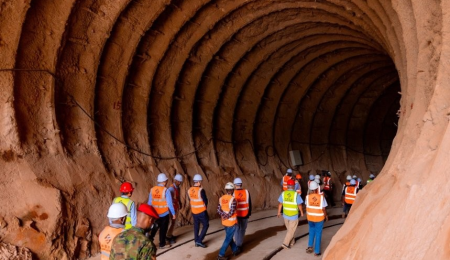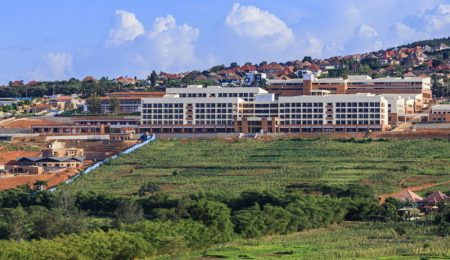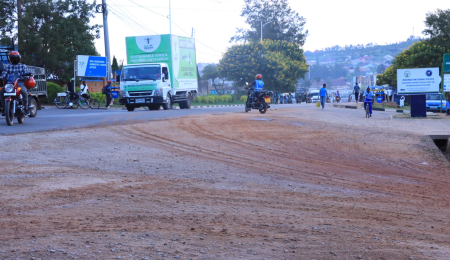

Thinking of building in Rwanda? Here are the 6 building categories you must know before starting
The Rwanda Building Code (2019) provides clear guidelines for classifying buildings based on their purpose, size, and structural features. These categories help determine the need for professional involvement, permits, and compliance with safety standards. Whether you are a contractor, developer, or property owner, knowing these categories is essential before starting any construction project.
Category 1 – Temporary and Small Structures
Category 1 includes structures that can be removed without compensation and do not require a construction permit.
Key features:
- Total floor area not exceeding 1,000 sqm
- Non-storeyed and basement-free
- Accommodates fewer than 500 people
- Validity of use limited to 2 years
- Not for worship, industrial use, or hazardous/perishable goods storage
Examples: Temporary structures used during construction of permitted structures, temporary tents, temporary buildings, coverings used for private family parties or for camping on approved compounds and playgrounds,..
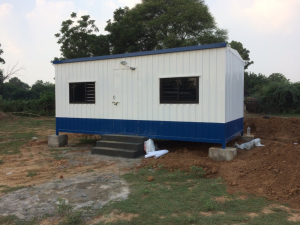
Example of category 1 building: a temporary site office building
Category 2 – Small-Scale Administrative, Residential, and Commercial Buildings
This category covers non-industrial, non-hazardous buildings for administration, living, and business use.
Key features:
- Total floor area ≤ 200 sqm
- Ground floor only (no basements)
- Capacity for 15 people or fewer
Examples: Small offices, shops, or single-storey residential units.
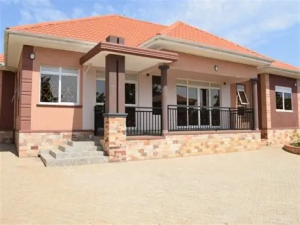
Example of category 2: Single storey residential house
Category 3 – Medium-Scale Residential and Commercial Buildings
Category 3 covers larger residential and commercial buildings except for industrial or hazardous facilities.
Key features:
- Floor area ≤ 1,500 sqm and plot size ≤ 1,000 sqm
- Maximum of two storeys (G+1)
- Capacity for 50 people or fewer
- Building height not exceeding 7 meters
Examples: Small apartment blocks, warehouses, and community centers.
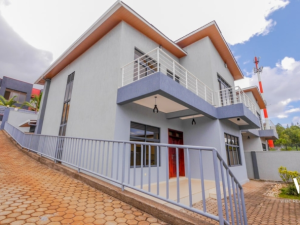
Example of category 3 : Small apartment G+1
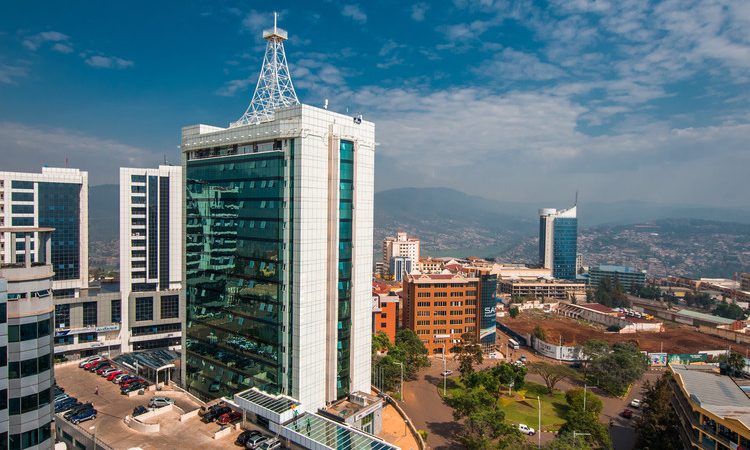
Category 4 – High-Rise and Specialized Buildings
These are taller and more complex buildings, excluding industrial and hazardous facilities.
Key features:
- Buildings with 3 or more storeys (G+2 and above)
- Capacity for up to 500 people
Examples: Office towers, hotels, and high-rise residential apartments.
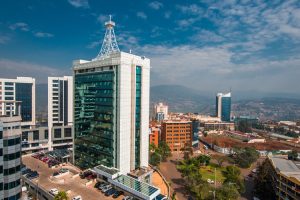
Example of category 4: Grand Pension Plaza
Category 5 – Public, Industrial, and Special Structures
This category includes large public facilities, industrial premises, and special memorial structures.
Key features:
- Sports facilities, cultural and religious buildings, educational and health facilities
- Industrial and hazardous buildings
- Memorial sites
- Any structure hosting more than 500 people
Examples: Stadiums, large factories, universities, and churches.
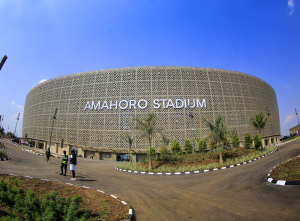
Example of category 5: Amahoro Stadium
Category 6 – Security and Emergency Structures
Category 6 applies to buildings that do not require a building permit due to their specialized or temporary nature.
Key features:
- National security buildings (excluding social, residential, and commercial)
- Temporary shelters for returnees, refugees, or internally displaced people
Examples: Military posts, refugee camps, and emergency shelters.
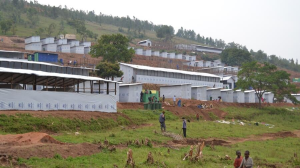
Example of category 6: Mugombwa refugee camp
Why These Categories Matter
Understanding these categories is crucial for:
- Compliance with Rwanda’s building regulations
- Avoiding penalties for unpermitted construction
- Ensuring safety and suitability for the intended purpose
- Guiding project planning for architects, engineers, and investors
Before you start your construction project in Rwanda, identify which category your building falls into and follow the proper procedures for permits and approvals. Our detailed guide on the upgraded KUBAKA system walks you through everything you need to know to start your project smoothly. Read it here.
RWANDA BUILDING CODE