

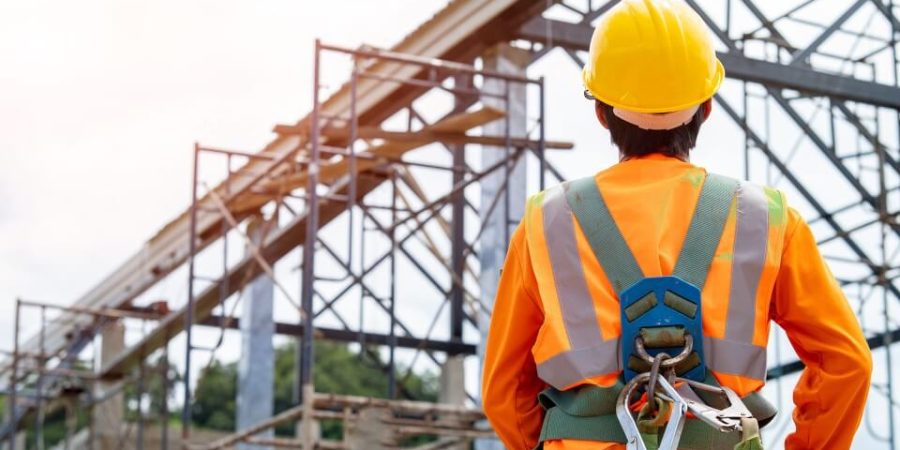
15 Mandatory OHSE Rules Every Construction Site in Rwanda Must Follow
The construction sector is one of the most dynamic and essential industries contributing to Rwanda’s economic development. However, it also presents numerous occupational hazards that can pose serious risks to the health and safety of workers if not properly managed. In response to these challenges, the Ministry of Public Service and Labour has developed comprehensive regulations aimed at promoting a safe and healthy working environment across all construction activities.
These Regulations on Occupational Safety and Health in Construction provide practical guidance and establish a robust legal, administrative, technical, and educational framework designed to prevent accidents, occupational diseases, and other harmful effects resulting from employment in the construction sector. By setting clear responsibilities for employers, contractors, and workers, these regulations play a crucial role in fostering a culture of safety and compliance on construction sites throughout Rwanda.
Below are 15 essential OHSE (Occupational Health, Safety & Environment) rules that every construction site in Rwanda must follow. These aren’t just regulations, they’re non-negotiable standards that protect lives and ensure project success.
1. Safe Workplaces
Employers must ensure worksites are free from health and safety risks.
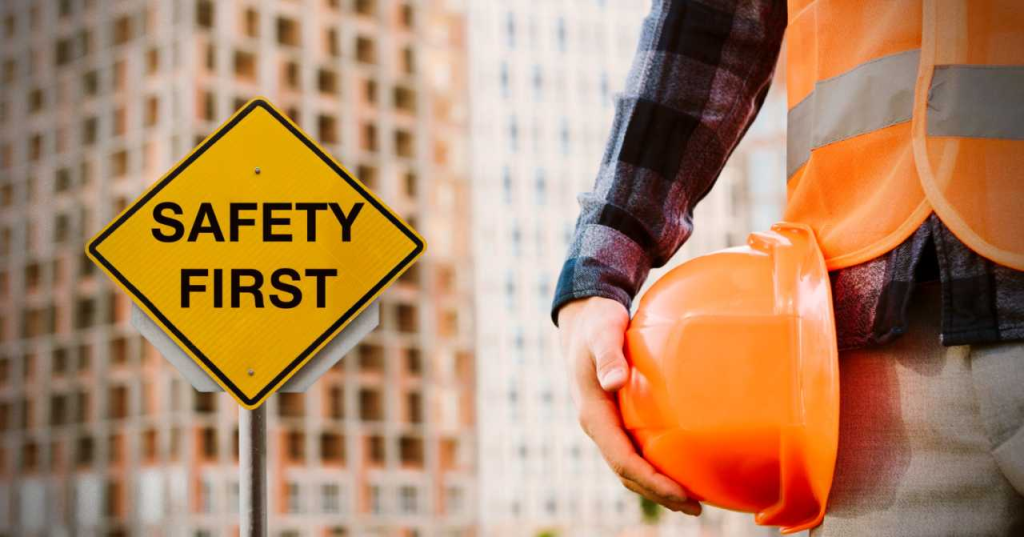
2. Clear Access & Housekeeping
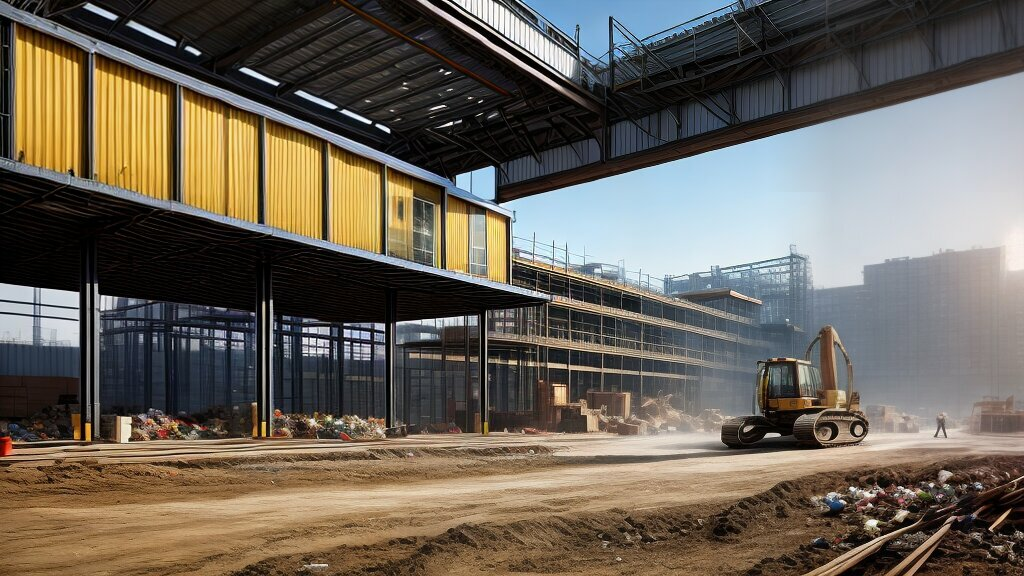
Workers must have safe access routes; sites must stay free of waste and clutter.
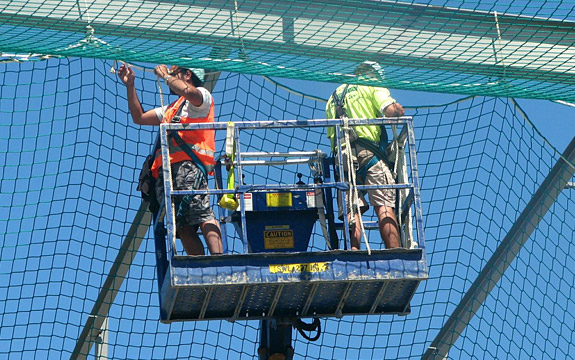
3. Fall & Collapse Protection
Safety measures like guardrails, nets, and harnesses must be used when working at height or around unstable structures.
4. Fire Safety Measures
Proper fire detection systems, extinguishers, and evacuation protocols are required.
5. Prevention of unauthorized entry
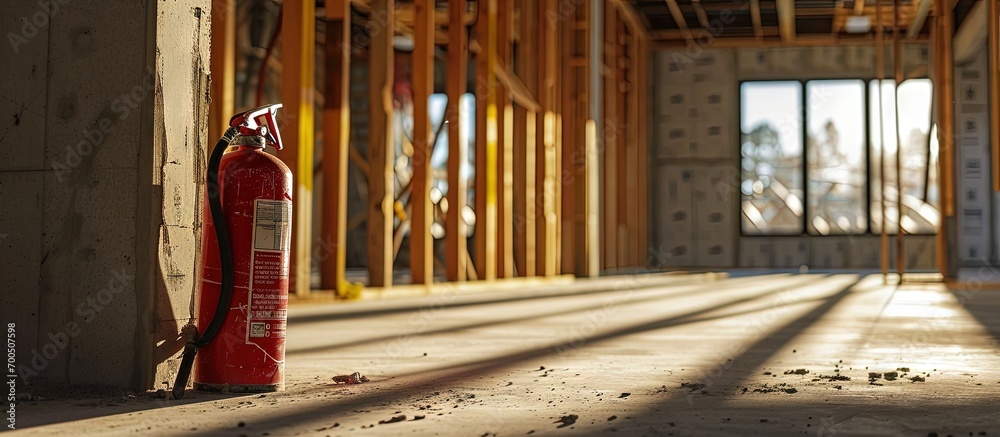
Access to the construction site must be strictly limited to authorized personnel. Visitors must be accompanied by a qualified site representative and wear the appropriate protective gear. Unauthorized entry should be prevented through fencing, signage, and controlled gate access.
6. Safe Scaffold & Ladder Use
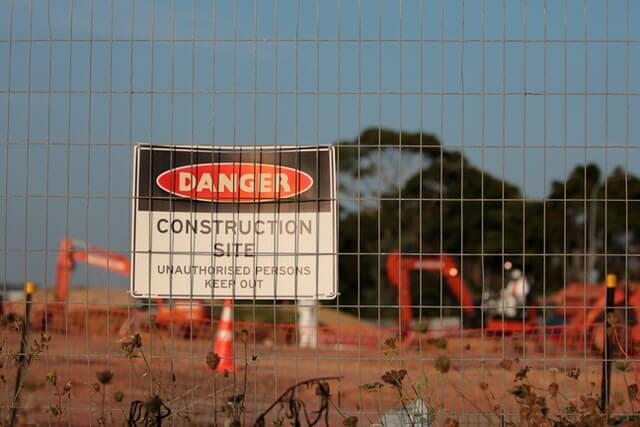
Scaffolds must be built, used, and inspected by competent personnel using approved materials.
7. Secure Lifting & Hoisting
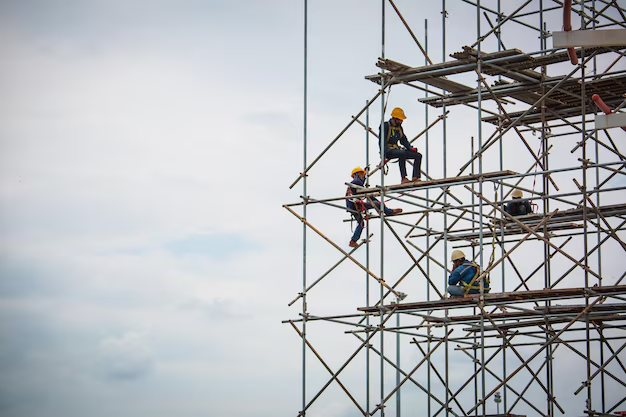
Lifting equipment must be tested, marked with safe loads, and only operated by certified workers.
8. Mandatory Use of Personal Protective Equipment (PPE)
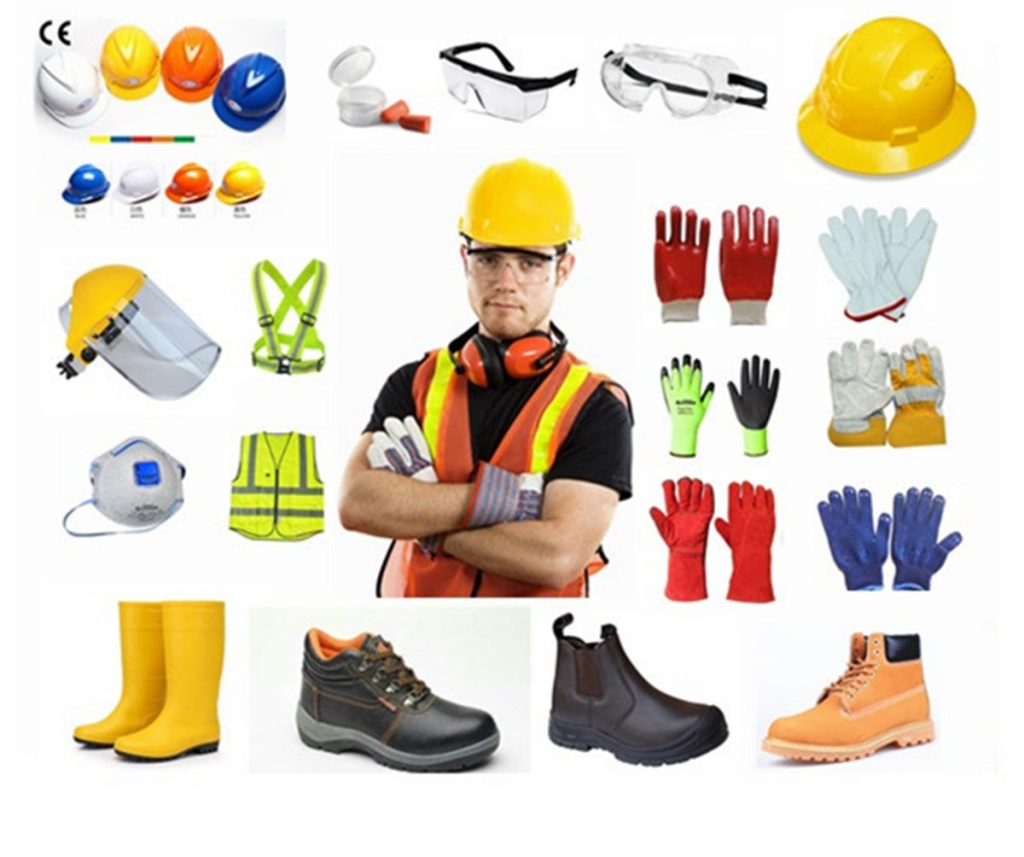
Employers must supply personal protective equipment free of charge and ensure it’s used correctly
All workers and visitors must wear:
• Helmets
• Safety boots
• Reflective vests
• Gloves and eye protection when required
🚫 No PPE, no entry to the site.
9. Environmental Protection
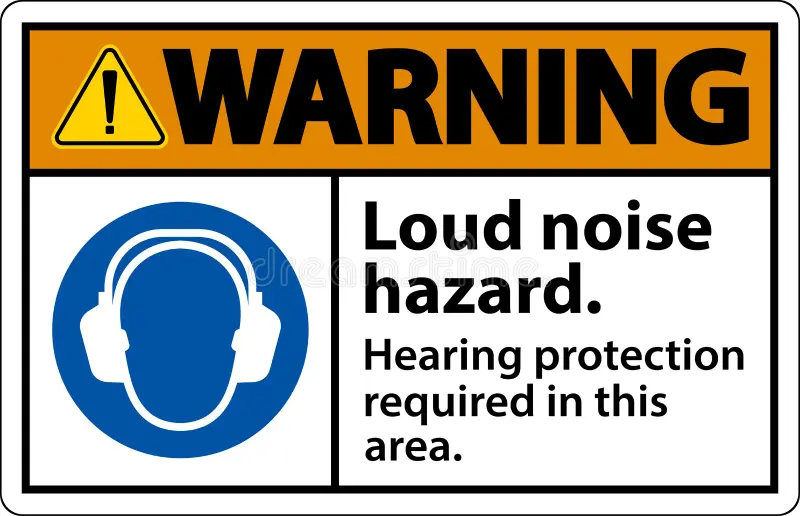
Employers must control dust, noise, hazardous substances, and waste to protect workers and the environment.
10. Training & Communication
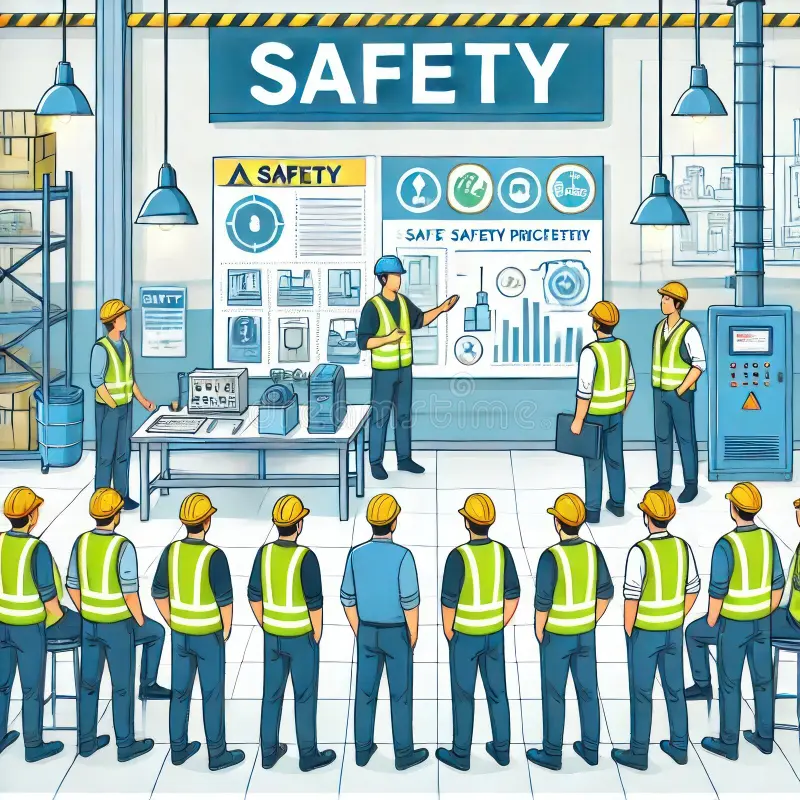
Workers must receive safety instructions in a language they understand and be trained for their roles.
Before starting work:
• Every worker must attend a site-specific safety induction
• Briefings should include evacuation procedures, emergency contacts, and common risks
11. Incident Reporting & Oversight
All injuries, fatalities, or dangerous occurrences must be reported and investigated.

12. First Aid & Response Capacity
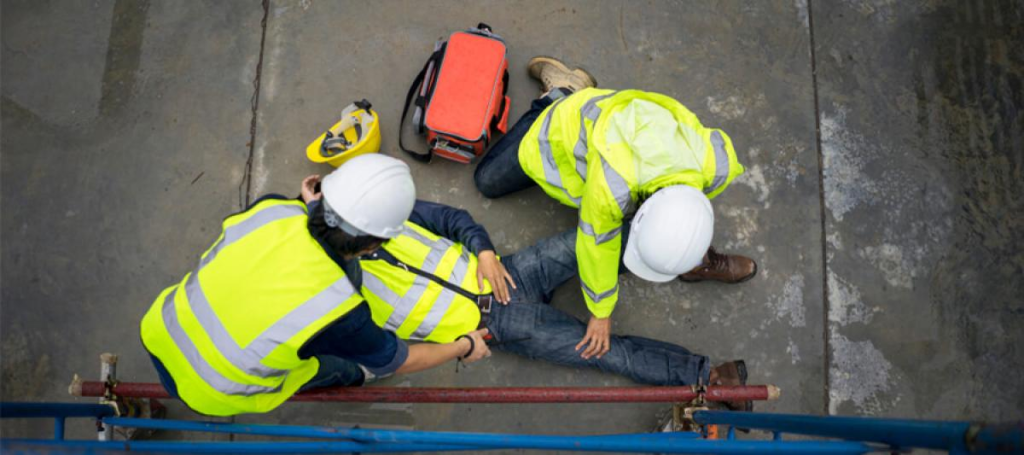
Sites need accessible first-aid kits, emergency instructions, and trained first responders
13. Competent, Certified Workforce
Operators of machinery and specialized tools must be qualified, healthy, and officially trained.

14. Site-Specific Risk Assessments
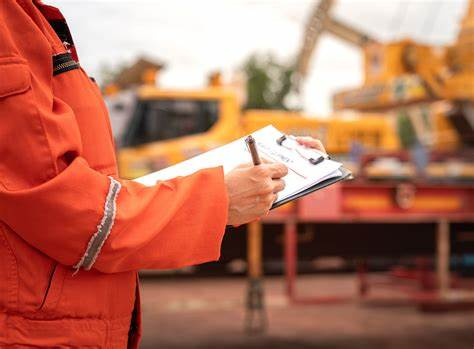
Before high-risk activities like excavation or demolition, a hazard analysis must be completed
15. Emergency Preparedness Drills
Employers must organize regular fire, rescue, and evacuation drills.
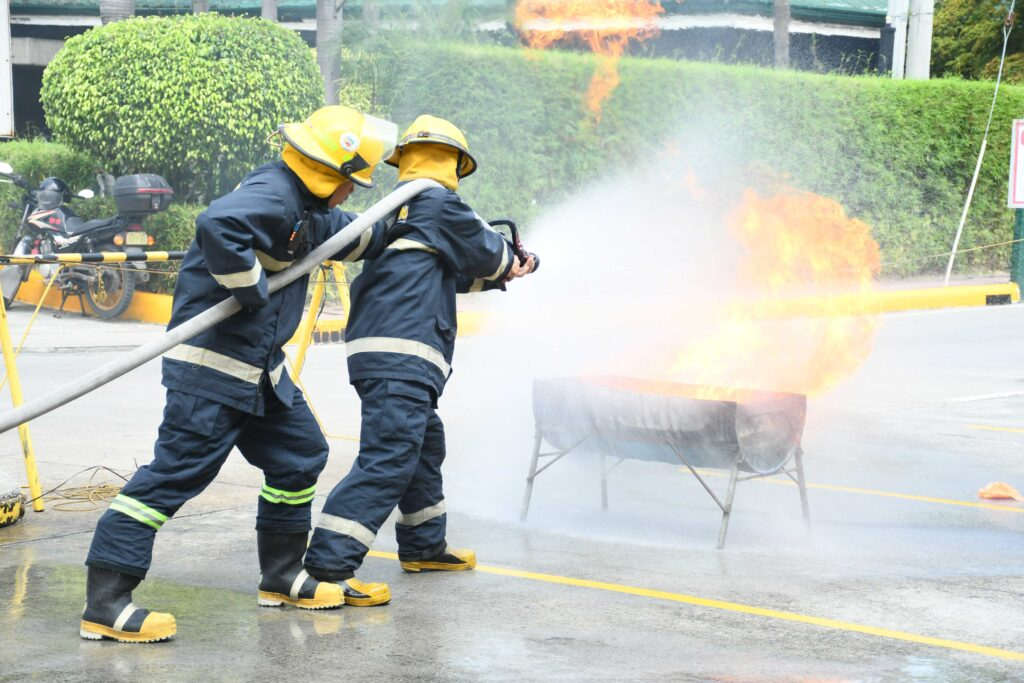
These rules aren’t just recommendations they’re life-saving standards that Rwanda’s growing construction industry must prioritize. With professionalization and enforcement improving, adhering to OHSE rules protects both people and projects.
READ MORE
Leave a Reply