


10 Key Highlights and Trends of Rwanda’s Construction Industry in 2025
The year 2025 marked a defining chapter for Rwanda’s construction industry. Beyond the cranes, roads, and buildings, the sector underwent a deep structural transformation. Regulation tightened, digital systems matured, professional accountability increased, environmental safeguards expanded, and local manufacturing gained momentum. Together, these changes reshape how construction is planned, approved, supervised, and delivered across the country.
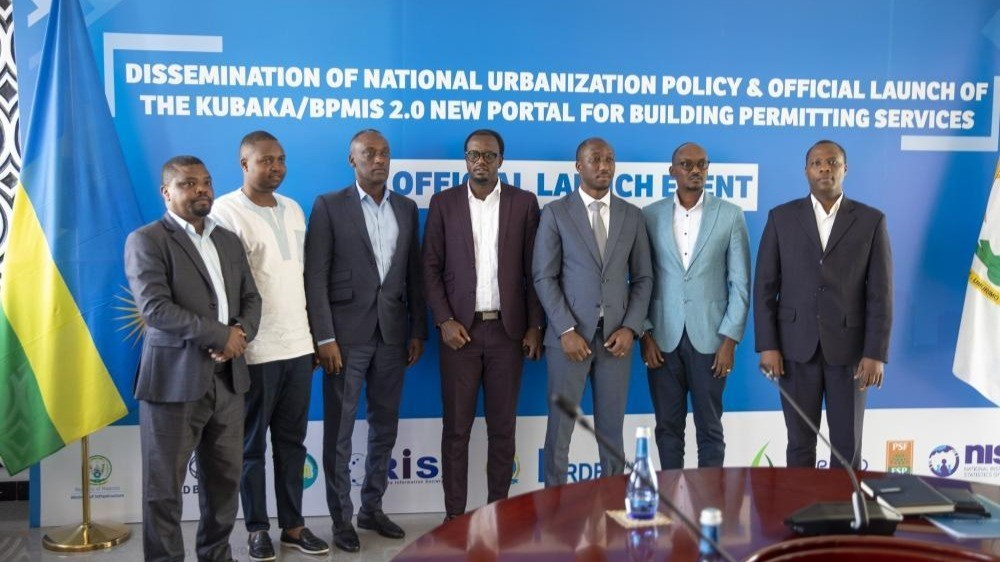
1. Launch of KUBAKA Digital Building Permit System
On 29 April 2025, Rwanda’s construction sector entered a new digital era with the official launch of KUBAKA, the upgraded Building Permit Management Information System (BPMIS). For the first time, developers, architects, and engineers could apply for building permits digitally, while the system continues to automatically verify land ownership, tax compliance, zoning rules, and master plans. This reduces delays and corruption and ensures that only compliant, legally approved projects could proceed.
KUBAKA has became the digital backbone of Rwanda’s entire construction approval system in 2025.
Also Read: 10 Key Enhancements in Rwanda’s Upgraded KUBAKA Building Permit System | CONSTRUCTION HUB
2. Rwanda Enacted New Law No. 23/2025 of 01/09/2025 Governing Professionals
On 1 September 2025, Rwanda enacted Law No. 23/2025, fundamentally changing how architects, engineers, and quantity surveyors operate. The law made professional registration and licensing mandatory, with penalties for unlicensed practice.
A six-month grace period ran until 1 March 2026, to allow all practicing professionals to regularize their status. Professional bodies issued public notices, and continue to warne the public against using unlicensed practitioners.
Click here to know more about the new law Are You an Architect, Engineer, or Quantity Surveyor? Here’s the new law governing your profession starting September 2025 | CONSTRUCTION HUB
3. City of Kigali Has Deployed Satellite to Monitor Construction Works
In January 2025, the City of Kigali took a major leap into high-tech urban management by rolling out satellite-based monitoring of construction activities. Developed in partnership with the Rwanda Space Agency, the system enables authorities to observe the city from above, detecting new buildings and land changes on a weekly basis.
For the first time, construction permits could be digitally cross-checked against actual developments on the ground. This has allowed officials to verify the authenticity of approvals, quickly identify unauthorized buildings, and respond before illegal developments became permanent.

4. Zero Tolerance for Illegal Construction
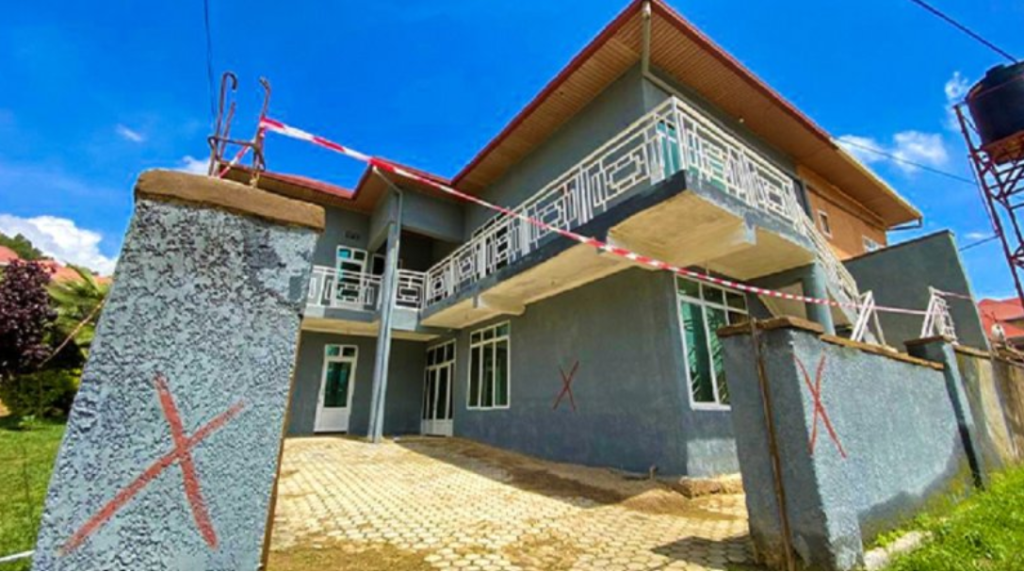
By 2025, Kigali’s satellite monitoring system had exposed the true scale of illegal development. The City detected over 4,000 houses built without proper approval since mid-2024, many of them in areas not designated for housing under the city’s master plan. Using a combination of satellite imagery and on-ground mobile inspections, authorities were able to identify unauthorized buildings while construction was still underway, rather than after completion.
This has allowed the City to intervene early, halt illegal projects, and in some cases demolish structures built in restricted zones such as agricultural land and environmentally sensitive areas. The move marked a firm shift toward real-time enforcement and zero tolerance for unlawful construction in Kigali’s rapidly growing urban landscape.
5. A Surge in Licensed Professionals Reshaped the Industry
With the new law in force and KUBAKA requiring licensed professionals to submit permit applications, 2025 triggered a major shift toward formalization. Registration figures indicated a significant increase in registered professionals, bringing many previously informal practitioners into the regulated system. Licensing became not just a legal requirement, but a practical necessity to remain active in the industry.
6. Temporary suspension of construction permits for conditional land use and overlays
On 25 July 2025, the Ministry of Infrastructure ordered a temporary suspension of construction permits issued under conditional land use and overlay zones. Originally intended for exceptional cases, these permits had increasingly been misused, raising concerns about uncontrolled development and long-term planning risks.
Working with the Rwanda Housing Authority, the Ministry launched a review of existing permits and instructed local authorities to stop issuing new ones immediately. All approved projects are reassessed for compliance with zoning laws and national urbanization goals. The move signalled a renewed commitment to disciplined, master-plan-driven growth.
7. Professional Events Shaped the Sector’s Vision for the Future
From 23 to 28 June 2025, Rwanda hosted the Africa Quantity Surveying Week, positioning the country as a regional hub for professional dialogue. The conference provided a premier platform for knowledge exchange, fostering both regional and international collaboration, and celebrating excellence in quantity surveying practices. The event highlighted the profession’s vital role in promoting growth, efficiency, and sustainability within the built environment, emphasizing its significance in shaping the future of the construction industry.
Later in the year, on 16 December 2025, the Rwanda Engineering Convention focused on aligning engineering practice with Vision 2050. Discussions centred on quality, safety, ethics, digital tools such as AI, and leadership within the profession—reinforcing the idea that engineers must be both technical experts and national development partners.
8. Environmental and Social Compliance Expanded Beyond Nature
In August 2025, Rwanda significantly tightened construction and development controls with the issuance of Ministerial Order No. 003/MoE/25, which expanded Environmental and Social Impact Assessment (ESIA) requirements. For the first time, project approvals are based not only on environmental protection but also on social safeguards, including community safety, worker welfare, and public impact.
Large buildings, industries, health facilities, infrastructure, mining, energy, hotels, warehouses, and many commercial and public projects now require mandatory ESIA approval before any permit could be issued. Only licensed environmental professionals are allowed to prepare these reports, ensuring higher technical standards and accountability.
Also read:
9. New Construction Material Factories Strengthened Local Supply
2025 also saw a notable rise in local production of construction materials, reducing import dependence and strengthening Rwanda’s industrial base.
- Silverback Glass Processing Ltd, Rwanda’s first glass processing factory, officially opened in October 2025 in Gahanga, producing tempered and laminated glass for construction.
- Mountain Ceramics Co. Ltd pressed its first ceramic tiles in November 2025, becoming Rwanda’s first white-body ceramic tile manufacturer, with a production target of 10,000 square meters per day.
- H‑Q Aqua Plastic Ltd, based in the Bugesera Special Economic Zone, showcased its Rwf 13 billion factory in July 2025 after operating for more than a year. The factory produces plumbing and sanitary ware, WPC panels, pipes, LED lighting, and glass enclosures, strengthening Rwanda’s manufacturing and construction supply chain.
- Rutare Bricks officially began brick manufacturing on 1 May 2025. The new plant adds significant capacity to Rwanda’s building materials supply chain, supporting the growing demand for quality masonry products in the construction sector.
10. Artificial Intelligence To Be Integrated in Public Procurement System
During Africa Quantity Surveying Week, Francine Gatarayiha, Program Manager for e-Procurement, announced plans to integrate of Artificial Intelligence into the UMUCYO e-procurement system.
AI will be used to flag suspicious bidding patterns, detect execution risks, identify conflicts of interest, and enhance early fraud detection. This marks the next evolution of transparency in public procurement, strengthening trust in Rwanda’s public spending systems.
While 2025 also witnessed the launch, completion, and inauguration of major infrastructure projects across the country, these developments are covered in detail in the following blogs:
🔗 Key Infrastructure Projects Launched and Groundbroken Across Rwanda in 2025
🔗 Major Infrastructure Projects Completed and Inaugurated Across Rwanda in 2025
In 2025, Rwanda’s construction industry strengthened its institutional and professional foundations. Beyond physical development, the year was marked by regulatory discipline, professional engagement, skills development, and technology-driven oversight, positioning the sector for more sustainable growth.
We post daily updates on all our social media pages!
Click the link and follow us to stay updated: FOLLOW US
Leave a Reply